Tabletop entertainment has evolved far beyond simple family pastimes, growing into an intricate arena where mental agility and careful planning take center stage. For individuals who enjoy analyzing multiple outcomes, modern table games offer a refreshing challenge that rewards patient strategy over blind luck. Engaging in these activities regular helps sharpen critical thinking and enhances real-time decision-making capabilities across various competitive environments.
The Core Elements of Tactical Gameplay
True tactical precision requires a blend of situational awareness, risk assessment, and long-term positioning. Unlike luck-based alternatives, skill-intensive table games force participants to deconstruct complex situations and anticipate their opponent's subsequent moves. This continuous mental workout strengthens neural pathways associated with logical reasoning and deep analytical calculation.
Furthermore, mastering these setups demands high levels of emotional control and strict discipline. Players must remain calm under intense pressure, adapting their original strategies when sudden variables alter the state of play. This unique combination of psychological resilience and mechanical understanding transforms casual gaming into a deep intellectual pursuit.
Popular Formats Demanding Calculated Decisions
Traditional board games like chess and modern abstract strategy games stand as premier examples of pure positional conflict. Every single movement across the grid carries significant consequences, requiring participants to visualize layout changes several turns in advance. The lack of hidden information ensures that the most precise strategist consistently secures victory.
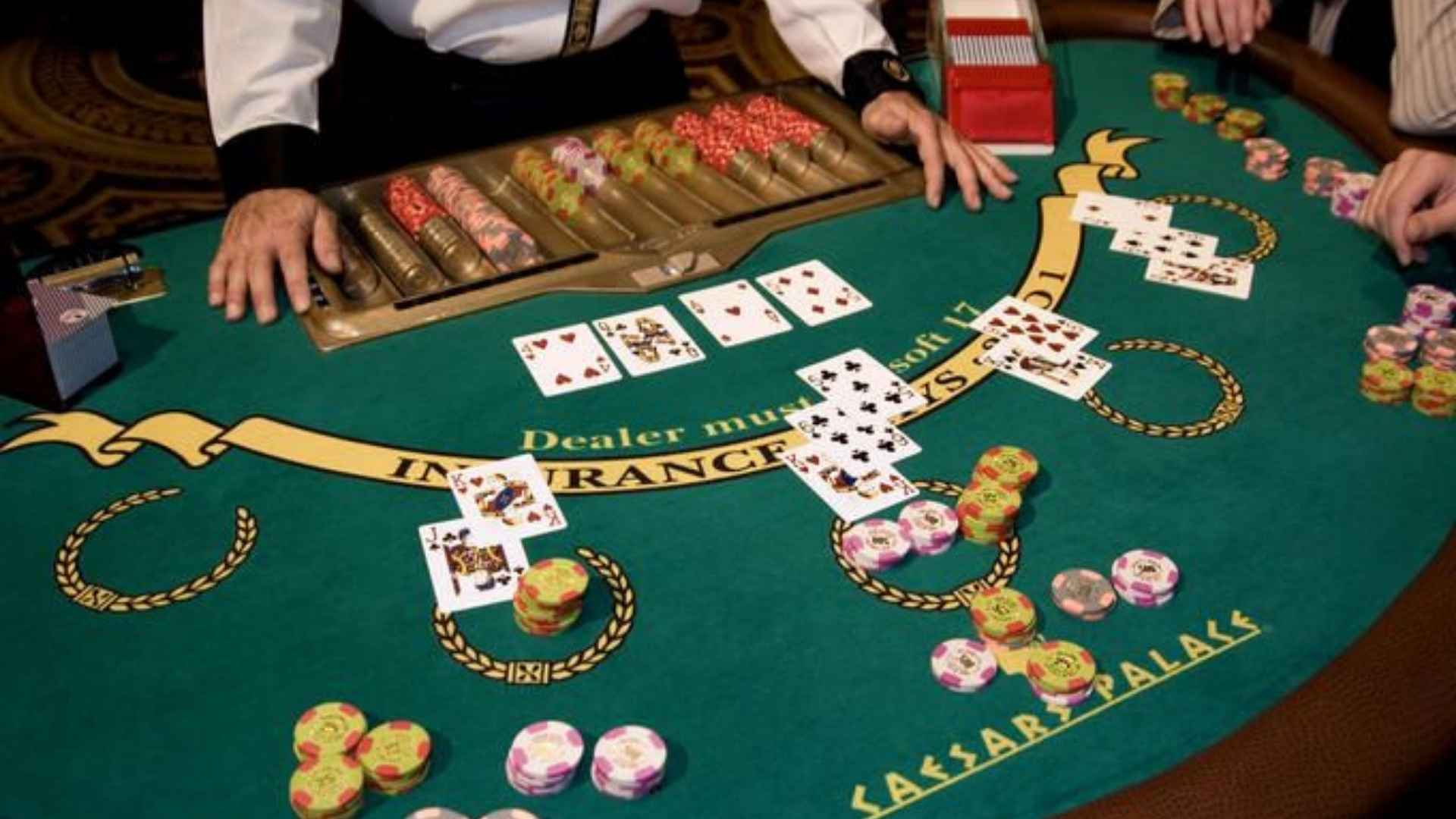
On the other hand, card-based table options introduce elements of probability and psychological observation into the mix. Enthusiasts who follow competitive insights on platforms like Mansion Sports understand that reading behavioral cues is just as vital as calculating mathematical odds. Combining these distinct skill sets allows top-tier players to mitigate the built-in elements of chance and control the overall pacing of the match.
Developing Long Term Strategic Habits
Participating in structured tabletop matches helps individuals build practical skills that translate directly into everyday planning. Learning how to manage limited resources efficiently under strict constraints is a foundational lesson taught by advanced resource-management games. These scenarios mimic real-world challenges, teaching players how to prioritize long-term stability over short-term gains.
Additionally, review and post-game analysis are common practices among serious tabletop communities globally. Evaluating mistakes made during a tense session allows players to discover alternative approaches they might have missed in the heat of the moment. This continuous cycle of execution and reflection builds a highly analytical mindset that values accuracy above all else.
The Growing Appeal of Mind Games
The modern resurgence of specialized gaming cafes and international tournaments highlights a growing collective desire for authentic interactive entertainment. People are increasingly stepping away from passive digital screens to seek out deep social connections that test their cognitive boundaries. This shift proves that the desire for complex, face-to-face competition remains as strong as ever in our increasingly automated world.
Ultimately, finding the right tabletop experience depends on your personal preference for abstract positioning or hidden information mechanics. Regardless of the specific format chosen, the mental discipline required to excel remains fundamentally identical. Embracing these challenges ensures a rewarding hobby that keeps your cognitive faculties sharp, active, and thoroughly engaged for years to come.