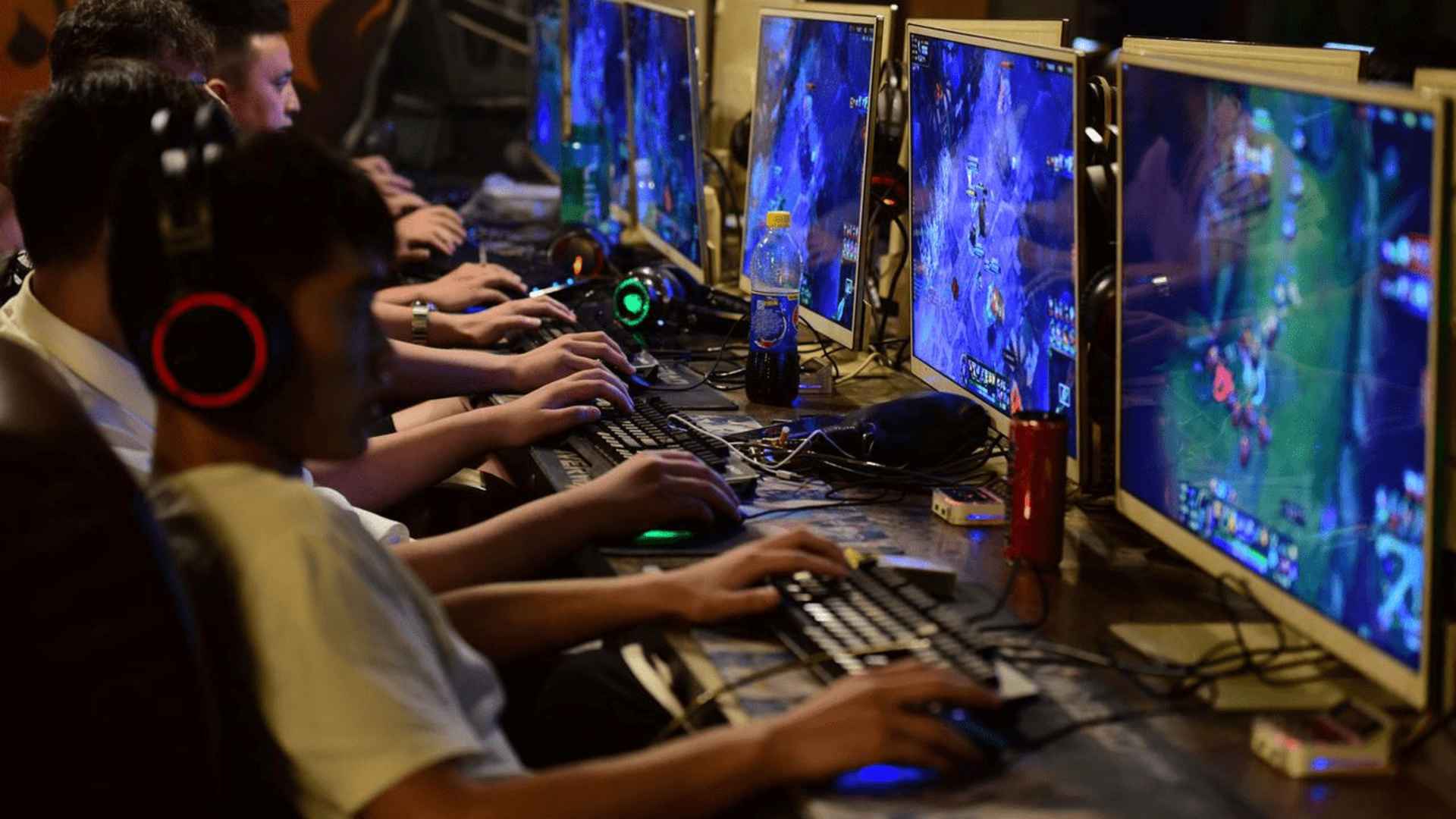
The modern gaming world has transformed drastically over the past decade, moving away from solitary experiences to highly interactive and interconnected digital spaces. Players no longer just search for high scores alone; instead, they seek deep connections, shared experiences, and vibrant online groups. The rise of sophisticated online platforms has enabled modern titles to cultivate highly active player ecosystems that thrive on daily interactions and collaborative tasks.
The Value of Active Digital Spaces
Vibrant gaming communities are built on persistent interactions that extend far beyond simple match sessions. Players actively share strategies, create user-generated content, and form long-lasting social circles within their favorite virtual worlds. This ongoing level of participation creates a sustainable environment where newcomers feel welcome and long-term veterans remain thoroughly engaged.
Developers are continually recognizing that long-term player retention relies heavily on how well a game fosters group connections. By integrating social features directly into the core gameplay mechanics, modern titles encourage players to communicate and solve problems together. This strategic shift has successfully turned gaming from a simple pastime into a powerful medium for building global relationships.
Incentivizing Player Collaboration
To keep large player bases active, developers frequently introduce dynamic reward systems and continuous live events. These features challenge participants to work together toward common goals, unlocking exclusive digital items and seasonal achievements. When individuals collaborate to complete massive server-wide objectives, it builds a deep sense of shared victory and collective pride.
For those interested in exploring digital hubs that offer diverse community interactions, you can discover premium entertainment options online. Visiting Mansion Sports connects you to dynamic platforms designed to enhance user participation across different competitive formats. Engaging with these types of modern hubs prepares enthusiasts for highly collaborative digital experiences.
The Evolution of In-Game Governance
Modern online environments are also introducing complex player-led structures, such as guild systems and tactical alliances. These networks allow groups to manage their own internal operations, organize schedules, and distribute resources fairly among members. Such systems give players a distinct voice, allowing them to directly influence their own digital societies.
When communities have the tools to govern themselves, their investment in the game ecosystem grows significantly. This self-sustaining dynamic minimizes toxic behavior and fosters a highly supportive culture among diverse participants. Ultimately, giving players ownership over their digital groups leads to healthier, more resilient online communities.
Looking Ahead to Connected Virtual Worlds
The future of interactive entertainment will undoubtedly place an even greater emphasis on seamless social connectivity and cross-platform accessibility. Future technological advancements will allow massive groups of players to gather simultaneously without experiencing technical constraints or interface fragmentation. This evolution will break down existing barriers, creating truly borderless environments for global interaction.
As these digital spaces continue to mature, they will offer richer opportunities for genuine human connection and shared strategic mastery. The focus will remain on building environments where every single participant can contribute meaningfully to the group's collective journey. The upcoming era of cooperative gaming promises to deliver unprecedented levels of global unity and dynamic engagement.