While standard card tables draw massive crowds globally, seasoned casino enthusiasts frequently look beyond the typical layouts to uncover hidden historical adaptations. The physical environment of a gaming room often speaks volumes about the games hosted within its walls, especially regarding the literal shape and markings of the table felt. Diving into the origins of unconventional setups reveals how historical constraints, cultural preferences, and specialized security measures shaped the physical evolution of card games.
The Kidney Shaped Classic and Its Massive Scale
The traditional baccarat table is a massive, kidney-shaped structure designed to accommodate up to fourteen players and multiple casino staff members simultaneously. This specific layout originated in glamorous European salons where the game served as a major social event for high-society aristocrats. The distinct indentation in the center allowed the croupier to easily reach every betting position with a wooden palette while maintaining clear sightlines across the broad playing surface.
As the game migrated to different jurisdictions, this enormous footprint presented substantial spatial challenges for crowded casino floors. The physical size required a dedicated salon, which reinforced an aura of exclusivity but limited accessibility for casual participants. Over time, these grand dimensions inspired operators to rethink how spatial efficiency could create an entirely new table dynamic.
The C shape Configuration and Interactive Social Circles
In certain boutique gaming rooms, designers departed from the traditional kidney shape to introduce a tighter, C-shaped table layout. This configuration was specifically engineered to foster a more intimate and collaborative atmosphere among participants who preferred shared betting strategies. By curving the ends of the table inward, players could easily observe each other's card selections and celebrate collective wins more directly.
This layout also optimized ergonomics for solo dealers who managed the entire session without assistant croupiers. The streamlined shape reduced the physical distance a dealer had to manage, resulting in significantly faster round resolutions. Modern enthusiasts looking for lucrative promotional incentives can explore options like the m88 奖金 to elevate their digital table experience.
The Oval Split Felts for Dual Banking Systems
Another fascinating structural variation is the elongated oval table featuring completely mirrored layouts split down the center. This design belongs almost exclusively to traditional variants like Baccarat Banque, where the dealer sits permanently in the middle of two distinct fields of play. The physical separation allows the banker to distribute cards to a left hand and a right hand concurrently, doubling the active participation per round.
The stories behind these split felts are deeply tied to high-stakes endurance sessions common in old European clubs. Because the banking position was auctioned to the wealthiest participant, the table needed a design that could manage massive crowds playing on opposite sides. This format created an intense psychological rivalry between the two halves of the room, turning a simple card comparison into a theatrical spectator sport.
The Evolution into Streamlined Seven Player Formats
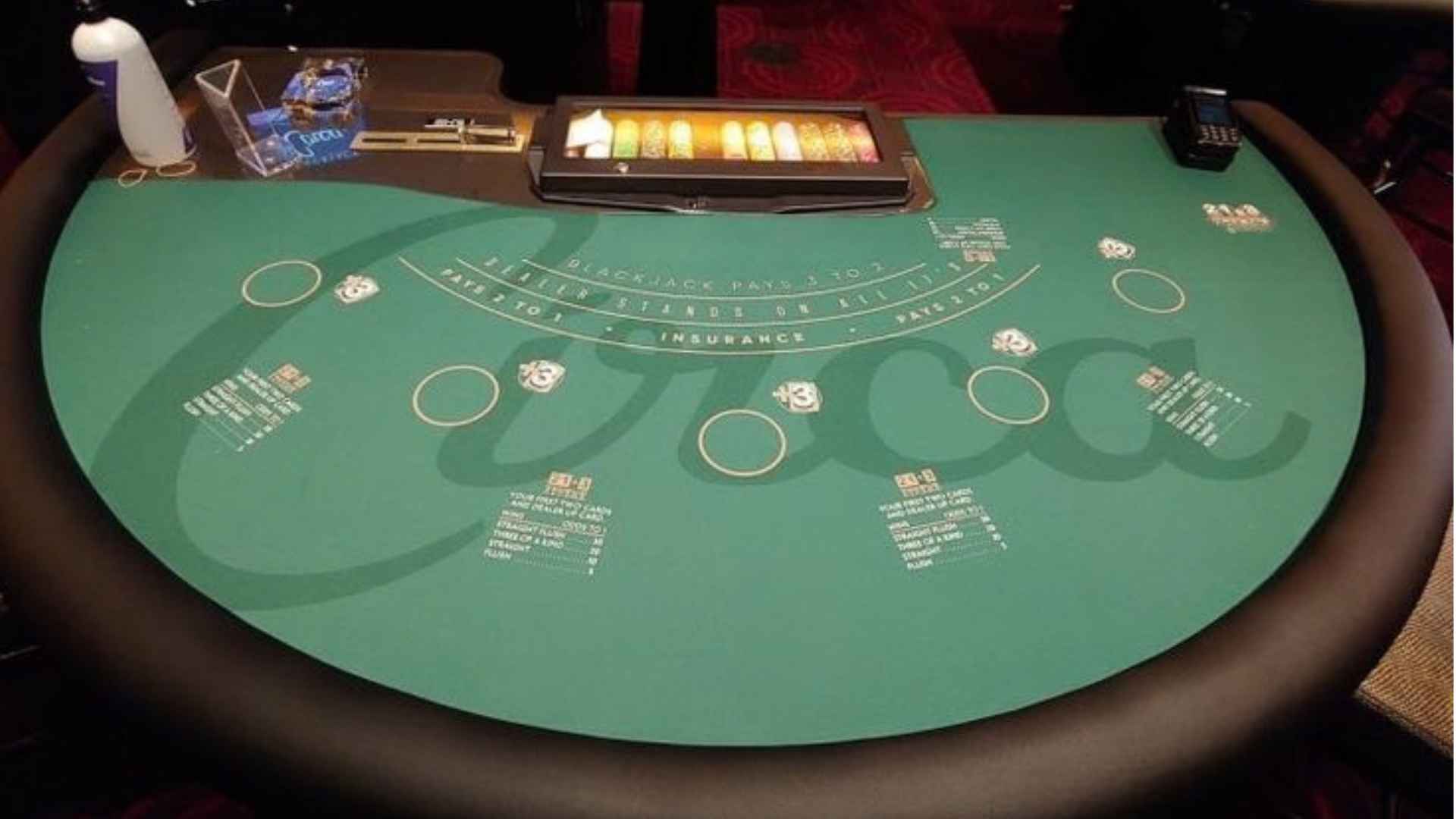
As modern gaming trends shifted toward speed and operational efficiency, the massive traditional tables gradually gave way to streamlined, semi-circular formats. These smaller configurations removed the central croupier station entirely and scaled the participant capacity down to seven seats. By mirroring the compact footprint of standard blackjack setups, casinos successfully integrated the game into mainstream gaming floors.
This physical downscaling completely altered the social energy of the room, transitioning the game from a formal aristocratic ritual into a fast-paced contemporary pastime. It proved that table shape directly dictates player behavior, game speed, and spatial accessibility. Today, tracking the history of these physical designs allows enthusiasts to appreciate how structural innovation continues to shape international gaming cultures.