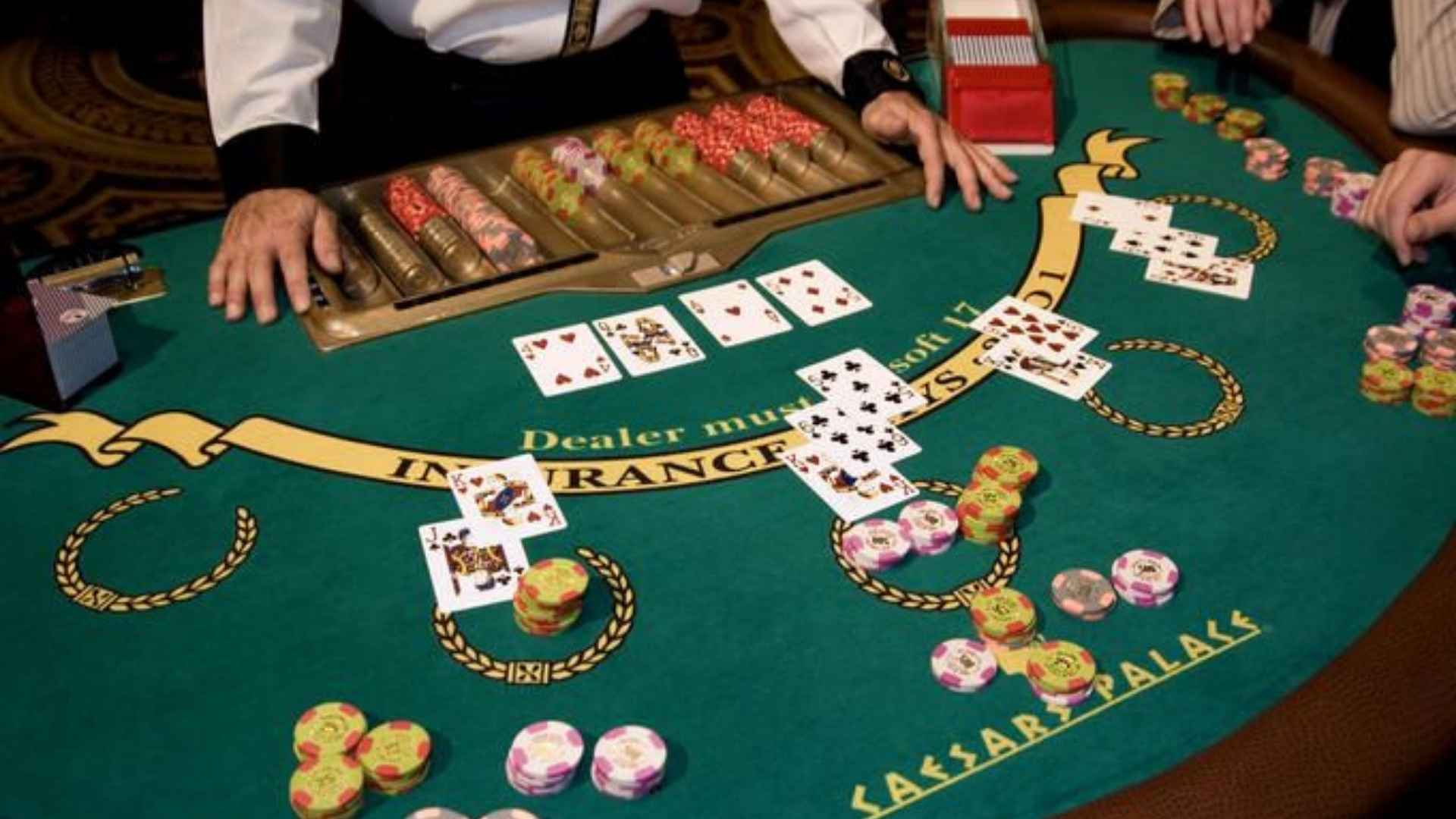
Contract bridge stands out globally as one of the ultimate tests of intellectual endurance and structural foresight. Unlike casual card pastimes that rely heavily on the luck of the draw, duplicate bridge demands meticulous long-term preparation from the very first bid. Players who master this environment find that success depends entirely on executing a highly coordinated strategy with their partner.
The Core Anatomy of Declarer Planning
Before playing a single card from the dummy, a skilled declarer takes time to analyze the complete layout of the deal. They map out the optimal path by counting potential winners and calculating the exact number of unavoidable losers. This initial calculation forms the baseline of an adaptable strategy designed to withstand unexpected defensive splits.
Advanced competitors know that timing and entry management are essential for keeping control of the game flow. Running into a complex hand without anticipating how to return to the dummy often results in sudden defeat. Cultivating these structured habits separates casual enthusiasts from true master strategists at the competitive table.
Navigating Intricate Suit Distribution
Managing the trump suit efficiently requires a deep understanding of mathematical probabilities and opponent behavior. Experienced players often utilize advanced techniques such as deep finesses or loser-on-loser plays to maximize their trick-taking potential. These calculated maneuvers depend heavily on tracking cards that have already been discarded during early rounds.
Failing to plan for bad card distribution can quickly ruin an otherwise perfect contract. By anticipating defensive obstacles, a prepared declarer can mitigate risks and safeguard their score against aggressive plays. Many high-level strategists regularly follow analytical updates on the Mansion Sports platform to keep their tactical knowledge sharp and modern.
Strategic Communication in Competitive Auctions
The foundation of any exceptional bridge performance is established long before the card play actually begins. The auction phase serves as a complex dialogue where partners exchange precise details about their hand shapes and point values. Crafting a reliable narrative through competitive bidding allows a pair to reach the most profitable contract safely.
In high-pressure tournament setups, aggressive opponents will constantly attempt to disrupt your communication channel with interference bids. Overcoming these defensive barriers requires an advanced understanding of partnership conventions and system regulations. Clear logical inference helps players visualize the unseen hands long before the opening lead hits the table.
Cultivating Defensive Foresight and Adaptability
Executing a flawless defense is widely regarded as the most challenging aspect of duplicate bridge matches. Defenders do not have the luxury of seeing the dummy's hidden cards immediately, making initial leads highly critical. Every single card played by a defender must signal specific distribution or strength clues to their partner.
Adapting your defensive stance dynamically as the declarer reveals their plan is crucial for defeating tough contracts. Successful partnerships rely on absolute trust and consistent signaling methods to coordinate their counterstrategies efficiently. Through regular dedication to these complex principles, enthusiasts can consistently elevate their logical reasoning skills.